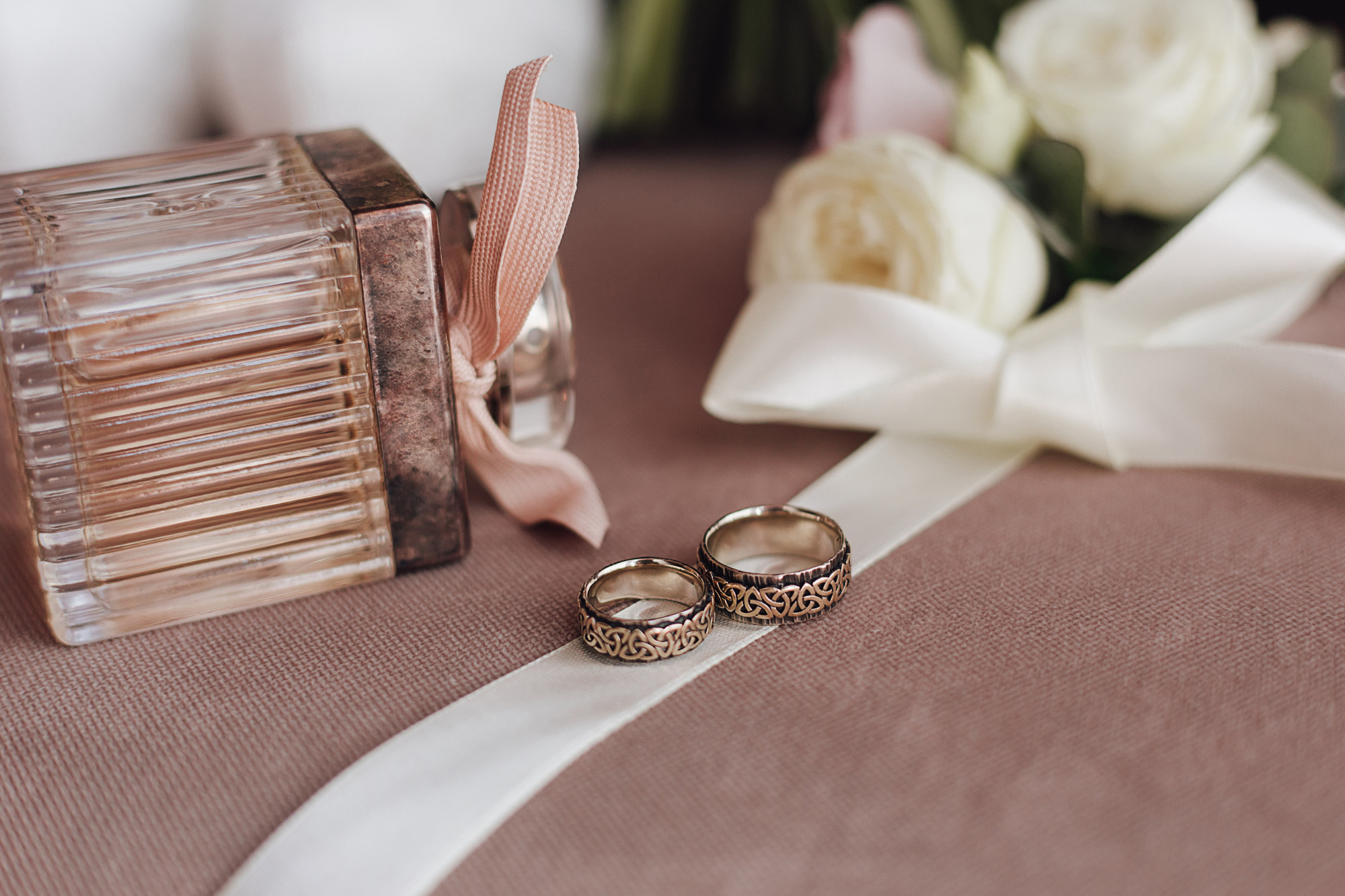

The fragrance industry is experiencing significant changes in how people interact with scent. In a time when bold marketing claims or celebrity endorsements and viral launches were once the main drivers behind purchases, today’s consumers are adopting a more thoughtful approach. Instead of seeking out the latest hype, many are looking for meaning, authenticity, and emotional connections in the fragrances they purchase. This trend is indicative of larger shifts in the values of consumers, especially in relation to identity, wellbeing and conscious consumption.
The fragrance industry has become less focused on instant gratification and more about the personal significance. Certain scents like Lancome fragrance are being analyzed more and more not only for the popularity of their scents, but also for the stories, craftsmanship, and emotional impact they provide. Consumers are increasingly seeking out what the scent means and how it can be integrated into their lives, and how it connects with them on an emotional level.
A Shift Away From Trend-Driven Buying
The past was when scent trends were quick to change, often due to high-budget campaigns or limited-edition releases that were designed to generate urgency. While this strategy created excitement, it also created brief relationships with brands. Customers would often move between scents that were popular and the next, but rarely did they form lasting bonds.
The current buyers tend to be slowing. They tend to look into scent notes, brand values, and formulation principles before buying. This trend suggests a growing need for long-lastingness rather than novelty. A meaningful scent is frequently worn, becoming a part of the routine instead of a seasonal fashion.
Emotional Connection as a Purchasing Factor
One of the biggest changes to the way people buy fragrance is the focus on emotional resonance. The scent has the ability to evoke memories, affect the mood, and influence the personal experience. Modern consumers are becoming more aware of this and are consciously using scents.
Instead of choosing perfumes on the basis of external approval, people are selecting scents that reflect their personal world. The scent could bring back memories of a specific location, an event in their lives, or an emotion they would like to carry with them throughout the day. The emotional connection can create the impression of significance that products marketed as hyped do not deliver.
Storytelling Matters More Than Ever
Brand storytelling is now central to the way scents are perceived. Customers aren’t content with a vague promise of elegance or luxury. They demand clear and concise explanations that describe the reasons why a scent exists and the reason for its creation.
This does not mean lavish stories, but rather honest communications about ingredients, craft, and intention. Aromatic scents that convey purpose tend to gain more trust. When consumers are aware of the motive behind the scent that they like, they will be more likely to make an emotional connection with it and incorporate it into their life.
The Influence of Mindful Consumption
Consumption-based thinking has transformed many industries, and the world of fragrance is not one of them. The buyers are more cautious, preferring fewer but more important purchases. This attitude prioritizes quality, flexibility, and emotional pleasure over quantity.
In this sense, fragrance is no longer considered an unrecyclable product. A scent that is meaningful is picked carefully and is used with care. This reduces the temptation to buy and promotes a deeper appreciation of every product, thereby accelerating the shift away from the soaring hype of consumption.
Digital Transparency and Informed Buyers
Information access has made it easier for consumers to shop for fragrance in innovative ways. Reviews, breakdowns of ingredients, and expert debates can help customers to make educated choices. In the end, over-inflated claims and marketing that is superficial are now more readily questioned.
The modern consumer values transparency. They are interested in knowing the performance of a fragrance in terms of how long it lasts and how it develops in the body. This desire for clarity has prompted companies to concentrate on substance and not just visuals, in line with the trend of valuing authenticity over hype.
Fragrance as a Reflection of Identity
Personal identity plays a major part in contemporary perfume selections. The way people perceive scent is an extension of their identity instead of a way to get approval from others. This is a reason to make a conscious choice and continuous usage.
A scent that is in line with the values of your life and personal style becomes more of a personal statement. It promotes authenticity and self-expression, which is why people are shifting away from based on trends choices. The meaningful scents feel intimate, not just performative.
Longevity and Versatility Over Novelty
Another aspect that affects buying habits is the desire to be flexible. The modern lifestyle is fluid, and there are fewer lines between work, social time, and private space. Consumers are looking for fragrances that can adjust to these diverse environments.
The most meaningful scents are usually versatile and offer balanced compositions that can be used in a variety of environments. This makes them more suited to frequent use and a deeper connection, which further reduces the attraction of hype-driven, short-lived launches.
Trust and Brand Relationships
The concept of trust has become a major factor within the fragrance industry. Customers are more likely to be loyal to brands that demonstrate reliability, consistency, and respect to their target audience. Trust is earned over time, through reliable, quality communication and honest communication.
If a brand is trusted by buyers, they are more likely to investigate its scents in a relaxed manner, and focus on the personal connection, not outside buzz. This is a good thing for long-term connections, rather than a few purchases influenced by the hype.
Redefining Success in the Fragrance Industry
Today’s market for fragrances isn’t measured just by viral events or sudden sales surges. Instead, it’s increasingly measured by repeat usage customer loyalty as well as emotional impact. Companies that are aware of this trend are adjusting their strategies accordingly.
Through prioritising their meaning Brands can develop scents that stay relevant long after seasonal fashions. This strategy benefits both the consumer and the industry, promoting authenticity, sustainability, and more meaningful involvement.
The Future of Meaningful Fragrance Choices
As consumer expectations continue to change and evolve, the demand for value over gimmicks is expected to increase. The consumers of fragrance are becoming more aware, conscious, and knowledgeable. They want products that enrich their lives instead of temporarily attracting attention.
In the current climate, the fragrance industry is returning to its function as an intimate, emotional, meaningful, and memorable experience. In a world where substance is more important than spectacle, the current buyers are creating an increasingly thoughtful and lasting scent culture. One where fragrance is not chosen to attract attention, but rather to connect.