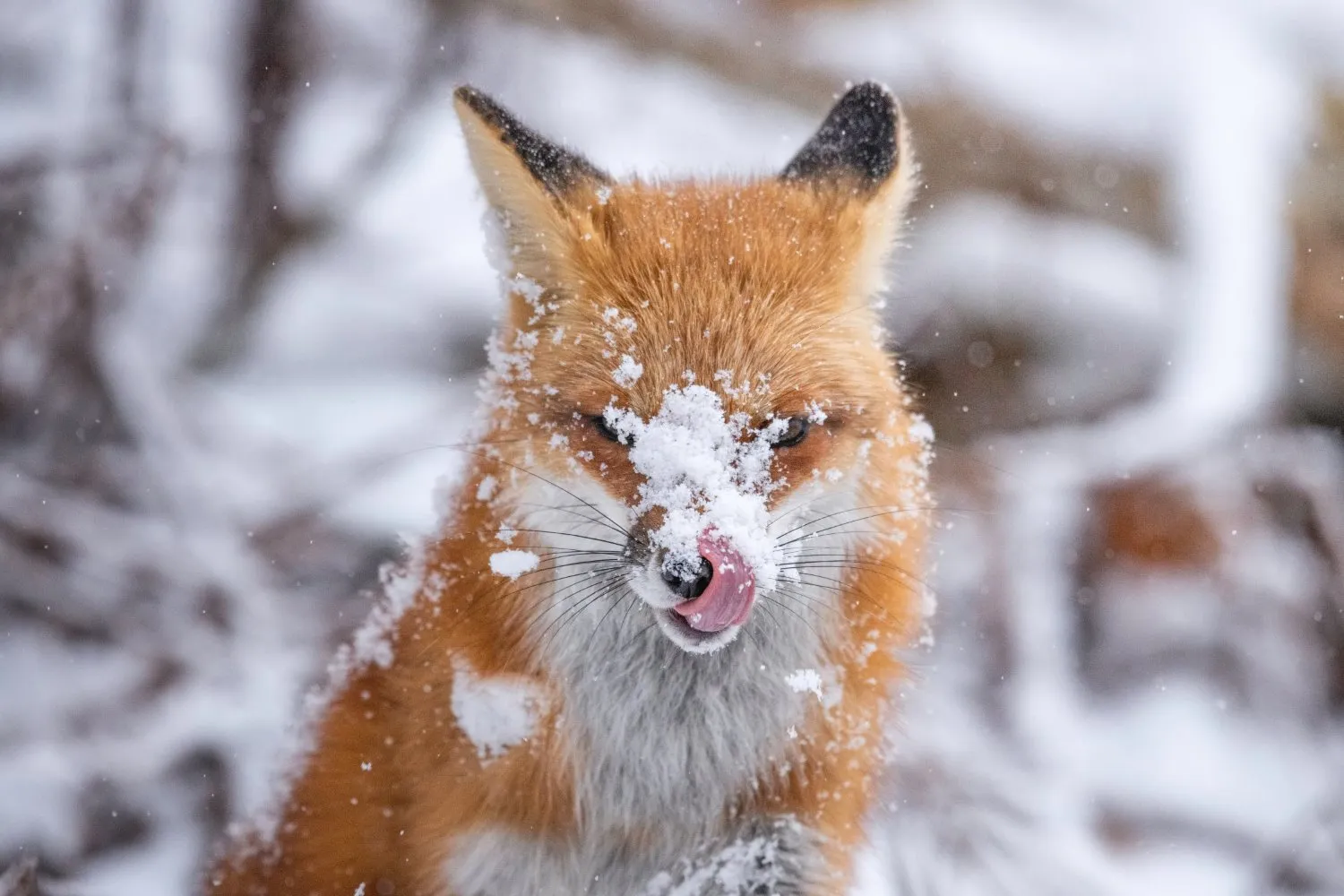
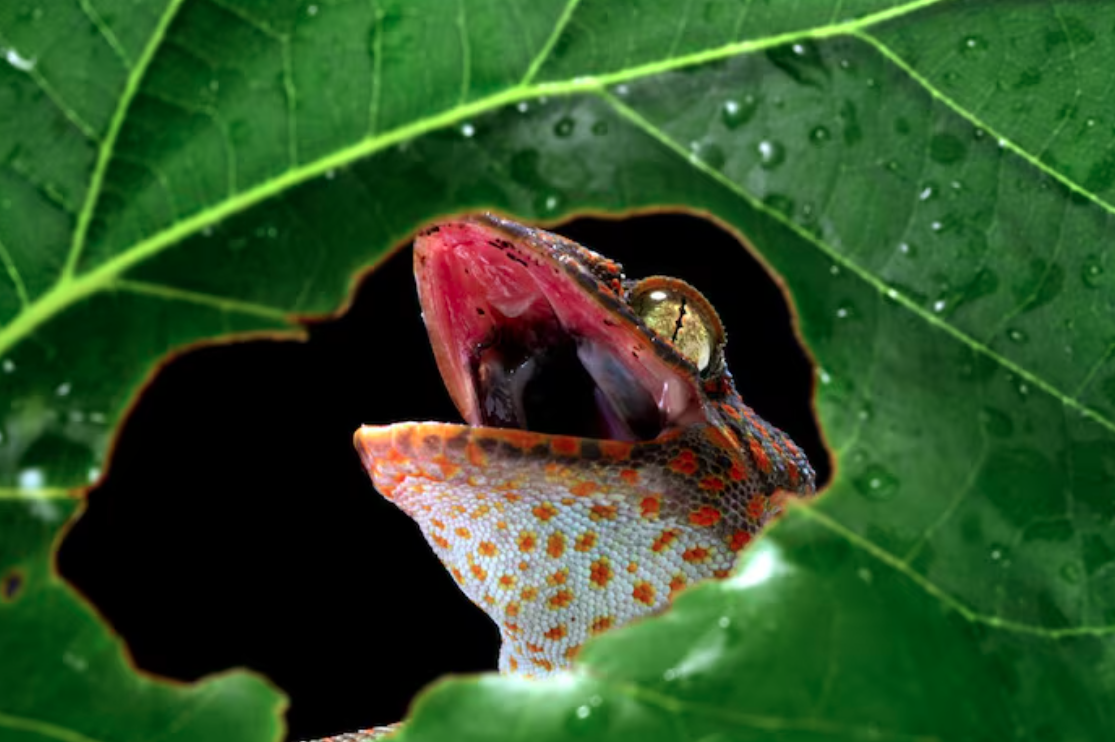
Venturing into the natural world to document its beauty requires a unique set of skills, patience, and professional equipment.
Whether you are a conservation organization looking to showcase rare habitats, a magazine editor sourcing high-quality imagery, or an individual seeking a bespoke expedition, finding the right photographer is crucial.
Professional wildlife photography is not merely about pressing a shutter button; it is about storytelling, ethics, and technical precision.
To ensure you secure a service that aligns with your specific objectives, you must evaluate several vital factors, ranging from technical proficiency to the photographer’s commitment to animal welfare and environmental safety.
1. Portfolio and Artistic Style Alignment
The first step in selecting a provider is a thorough review of their portfolio. Every photographer possesses a distinct artistic style, often influenced by their preferred gear, editing process, and ability to capture candid moments.
Look for consistency in their images, specifically regarding composition, lighting, and clarity. Do they excel at capturing high-action sequences, or is their work more meditative and landscape-oriented?
Understanding their aesthetic vision ensures that the final product will match the tone of your project, whether it is intended for scientific documentation, commercial branding, or artistic display.
2. Ethical Standards and Wildlife Conservation
In the world of professional imagery, ethics must always come before the shot. A reputable provider of wild animal photography must strictly adhere to non-intrusive practices that prioritize the welfare of the subjects.
This means respecting natural habitats, maintaining safe distances, and avoiding the use of baiting or stress-inducing techniques to lure animals.
Ethical photographers are deeply knowledgeable about animal behavior, ensuring they do not disrupt breeding cycles or nesting habits.
By choosing an ethical professional, you not only receive superior imagery but also support the preservation of the delicate ecosystems that make your photography project possible.
3. Technical Mastery and Equipment Readiness
Wildlife photography demands exceptional technical mastery. Animals are often fast, elusive, and active in challenging lighting conditions, such as the low light of dawn or dusk. Your chosen photographer must be proficient with long telephoto lenses, fast autofocus systems, and high-speed burst modes.
Furthermore, they should be well-versed in post-production software to ensure the final images are color-corrected and sharp without appearing over-processed.
A true professional always arrives with backup equipment, ensuring that a camera malfunction in a remote, inaccessible location does not derail the entire production timeline.
4. Field Experience and Behavioral Knowledge
The ability to predict animal behavior is what separates a snapshot from a masterpiece. An experienced photographer understands how to track movement, interpret vocalizations, and anticipate predator-prey interactions.
This deep-rooted behavioral knowledge allows the photographer to position themselves in the perfect spot before the action begins. When sourcing wild animal photography, prioritize those with extensive field experience.
Their familiarity with the specific environment and the habits of the target species is what guarantees that you will get the best possible results, regardless of how unpredictable the natural world may be.
5. Logistics, Safety, and Remote Site Capability
Many photography projects take place in remote or harsh environments, requiring significant logistical planning. Does the photographer have experience navigating wilderness terrain, managing their own supplies, and ensuring the safety of all team members?
They must be equipped with specialized gear for protection against the elements, such as waterproof housings or thermal covers. Confirm that the service provider has a track record of successfully executing logistics in the specific climates you are targeting.
A reliable professional is a self-sufficient explorer who can handle the physical rigors of a expedition while staying focused on the creative mission.