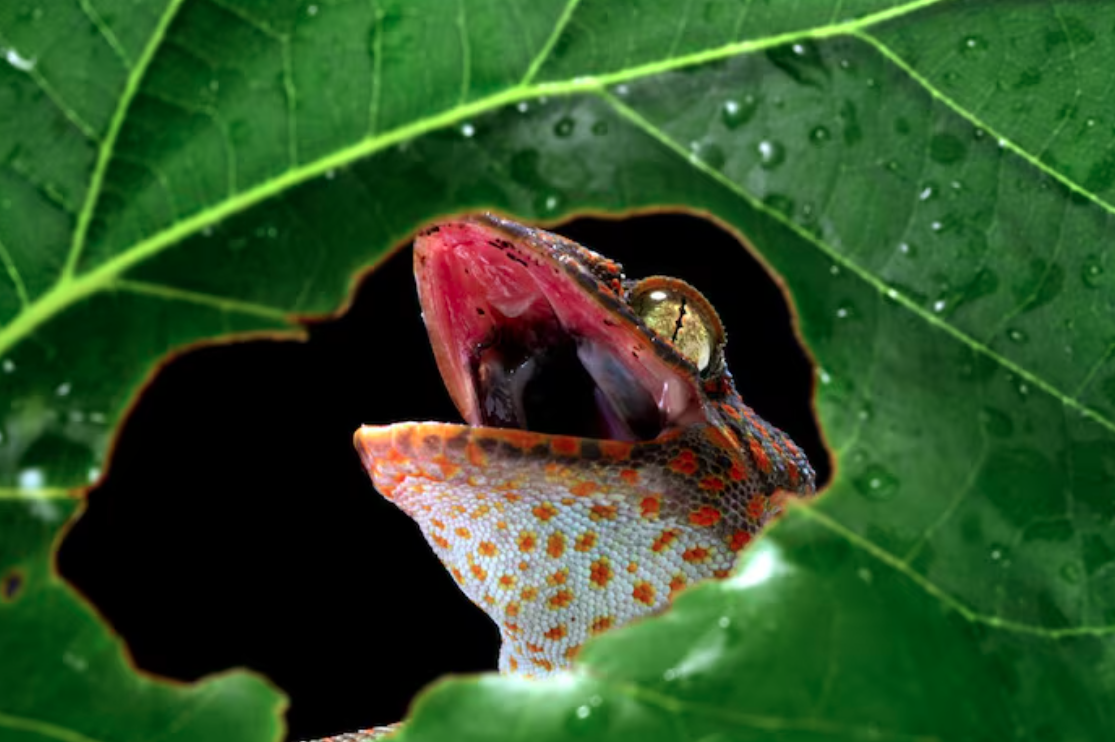
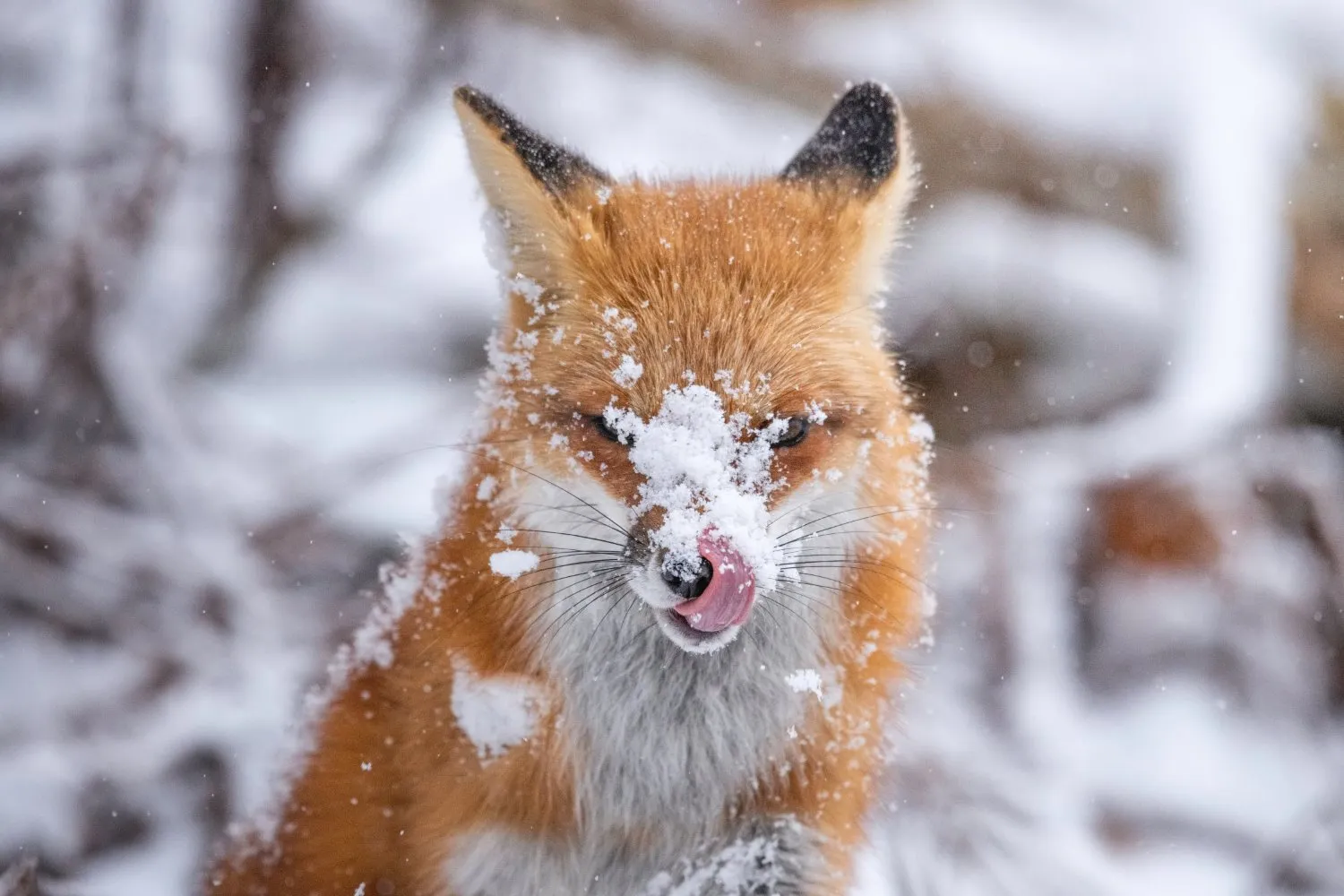
Wildlife photography is one of the most exciting types of photography because it captures animals in their natural environment. It shows real moments in nature that cannot be repeated. However, taking high quality wildlife photos is not easy. It needs patience, skill, and good planning.
Many beginners struggle because animals move quickly and nature is unpredictable. To take better pictures, it is important to understand a few key tips that can improve results. These tips help photographers stay ready, work smarter, and capture sharp and meaningful images of wildlife in the best possible way.
Be Patient and Stay Still
Patience plays a very important role in wildlife photography. Animals do not follow schedules, so waiting is a big part of the process. A photographer often needs to stay in one place for a long time before the perfect moment happens.
Moving too much can scare animals away, so staying still increases the chances of getting closer shots. Quiet behavior also helps avoid disturbing wildlife. Good photographers accept that waiting is part of the job and use that time to observe the surroundings carefully.
Understand Animal Behavior
Knowing animal behavior improves the chances of capturing great photos. Different animals act in different ways depending on time, weather, and surroundings. For example, some animals are active early in the morning, while others come out at night.
When a photographer studies these patterns, it becomes easier to predict movements. This helps in planning the best time and place for photography. Understanding behavior also helps in staying safe because it reduces surprise encounters with wild animals.
Use the Right Camera Settings
Correct camera settings are very important for clear wildlife photos. Animals move quickly, so a fast shutter speed helps freeze motion and avoid blurry pictures. A higher ISO can also help when lighting is low, especially in forests.
Using autofocus makes it easier to keep moving animals sharp in the frame. Many photographers also use continuous shooting mode to capture several photos in a short time. With the right settings, even fast-moving animals can be captured clearly and in detail.
Focus on Lighting and Timing
Good lighting can make a big difference in wildlife photography. Early morning and late afternoon often provide soft and warm light that improves photo quality. Harsh midday sunlight can create strong shadows and reduce detail.
Timing also matters because many animals are more active during cooler parts of the day. When photographers plan their sessions around natural light and animal activity, they increase their chances of getting beautiful and natural-looking images.
Improve Composition and Respect Wildlife
Strong composition makes wildlife photos more interesting and balanced. Placing the animal slightly off-center often creates a better visual effect than placing it in the middle. Natural surroundings like trees, water, or grass can also improve the story of the photo.
At the same time, respecting wildlife is very important. Photographers should keep a safe distance and avoid disturbing animals. Good wildlife photography always protects nature while capturing its beauty.
Conclusion
High quality wildlife photography depends on patience, knowledge, and practice. By understanding animal behavior, using the right camera settings, focusing on lighting, and improving composition, photographers can capture powerful images.
Respect for wildlife also ensures safe and ethical photography. With time and experience, these simple tips help create stunning photos that show the true beauty of nature in its most natural form.