
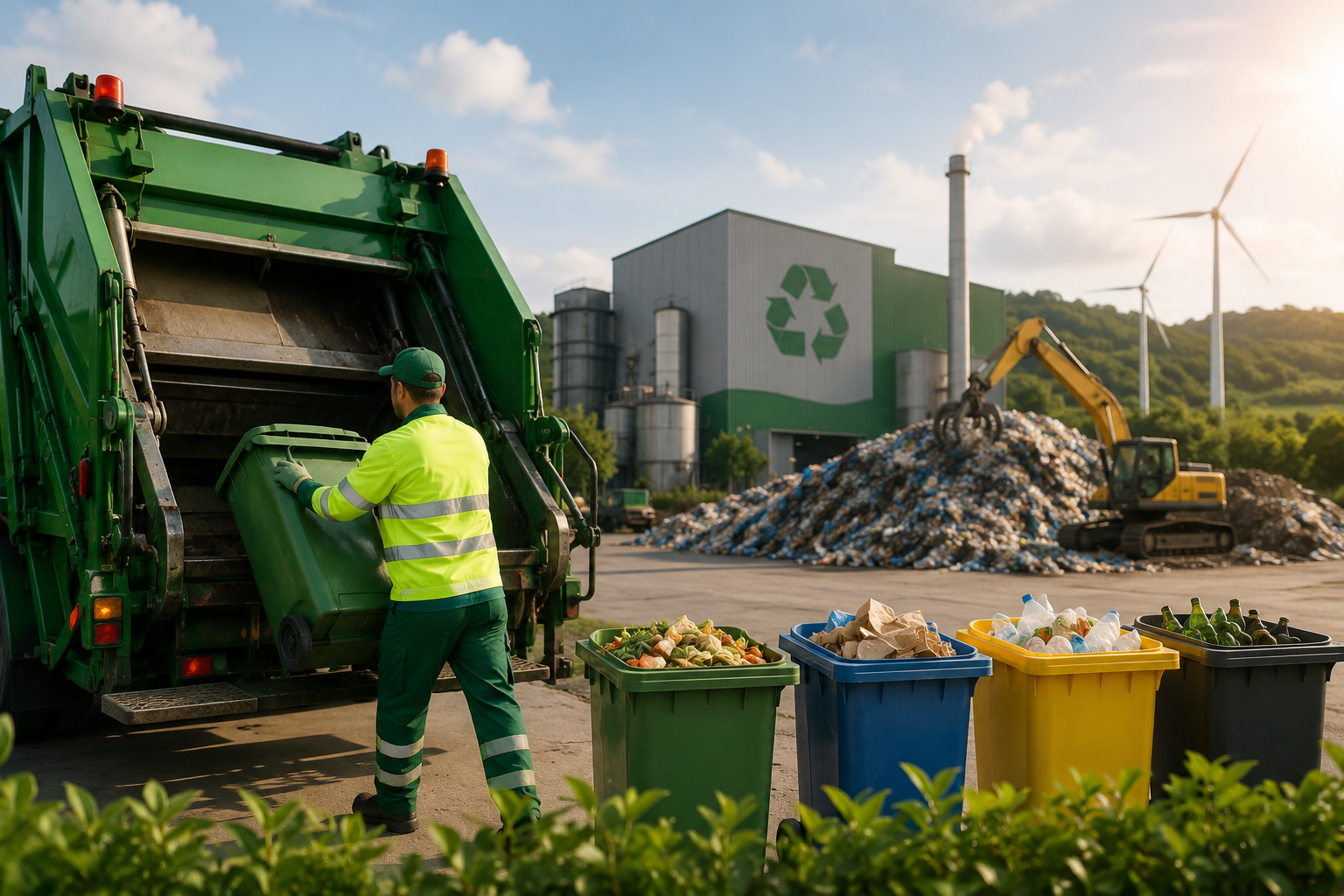
Nowadays, recycling is among the easiest and most successful methods to reduce waste, save natural resources, and protect the environment. Sorting household waste, dealing with office garbage, or aiming to be a more sustainable person in life, a good recycling guide can make it much easier. There are many people who wish to recycle responsibly, but are confused about what can and cannot be recycled. A comprehensive recycling handbook can reduce that confusion by ensuring that you understand the fundamentals and offering any practical tips that anyone can follow.
With rising environmental consciousness, communities around the world are supporting more recycling. If everyone knows how recycling works and makes some simple changes to their daily habits, they can help to cut down on the amount of waste that goes to landfill. This booklet can help you with the most frequently asked questions about recycling and make a difference to your household and the planet.
What is a Recycling Guide, and why is it important?
A recycling guide is a very useful document which provides instructions on how to sort, collect and process various waste types for recycling. As opposed to there being only one waste bin, recycling encourages people to sort out recyclable materials from the general waste stream and allow them to be used in new products. This process saves the consumption of raw materials, energy, and pollution.
The key to recycling, more than just a way to not send items to landfill, is to follow a recycling guide. Recycling is an effective way to create cleaner communities, lower greenhouse gas emissions, and save natural resources like water, minerals, and forests. It also helps to raise awareness of responsible consumption by making people consider the life cycle of the products they use daily.
Why should everyone follow a Recycling Guide?
People believe that their personal effort is not very significant, but communities are most effective when they all participate in recycling. A recycling guide can assist homes in learning about their actions and how they impact the environment. Each recycled bottle, paper product, or aluminum can becomes part of one that helps to decrease waste and aid in sustainable manufacturing.
Recycling guides also help to avoid contamination. Items that can not be recycled can put up a buzz that can jangle the entire recycling batch and prevent recyclables from being sorted. This will make it more efficient and ensure that materials that are recyclable get recycled and not turned into a landfill.
In addition to the environmental benefits, recycling can also bring economic advantages as it can provide employment opportunities in the collection, sorting, processing, and manufacturing sectors. These are all the benefits of recycling together, and it’s a habit that must be encouraged at the individual and community level.
What Materials can usually be recycled?
Recycling guide users often ask about what items they can recycle. Several materials can be recycled in many regions of the country, but the rules can differ from place to place.
Newspapers, office paper, magazines, and cardboard are some of the top recycled paper products. Glass bottles and jars are recycled many times without compromising their quality and thus are very useful to manufacturers.
When it comes to recycling plastic containers, particularly those with widely recognized recycling logos, it’s quite common for them to be recyclable as long as they are cleaned correctly. Other materials that are easily recyclable include aluminum cans or steel food containers, which can be recycled over and over again without becoming weak or of poor quality.
Identifying the right materials to recycle helps enhance the success of the local recycling programs and decreases excess waste.
What Items should not be placed in Recycling Bins?
There are lots of materials that can be recycled, but not all of them go in a recycling container. A dependable recycling guide will remind individuals that when items are contaminated or inappropriate for recycling, it can affect the entire recycling process.
Some materials are not commonly recycled, such as food-soiled containers, greasy pizza boxes, disposable diapers, ceramics, broken window glass, and some plastic bags. Materials such as electronics, batteries, paint, chemicals, and hazardous waste are other items that must be disposed of specially because they contain materials that can be harmful to the environment if not handled properly.
It is always best to review your local recycling program’s rules before putting something in a recycling bin that you are unsure of. It takes a few extra seconds to get the waste sorted properly, which can make recycling run smoother and safer.
How does the Recycling Process Work?
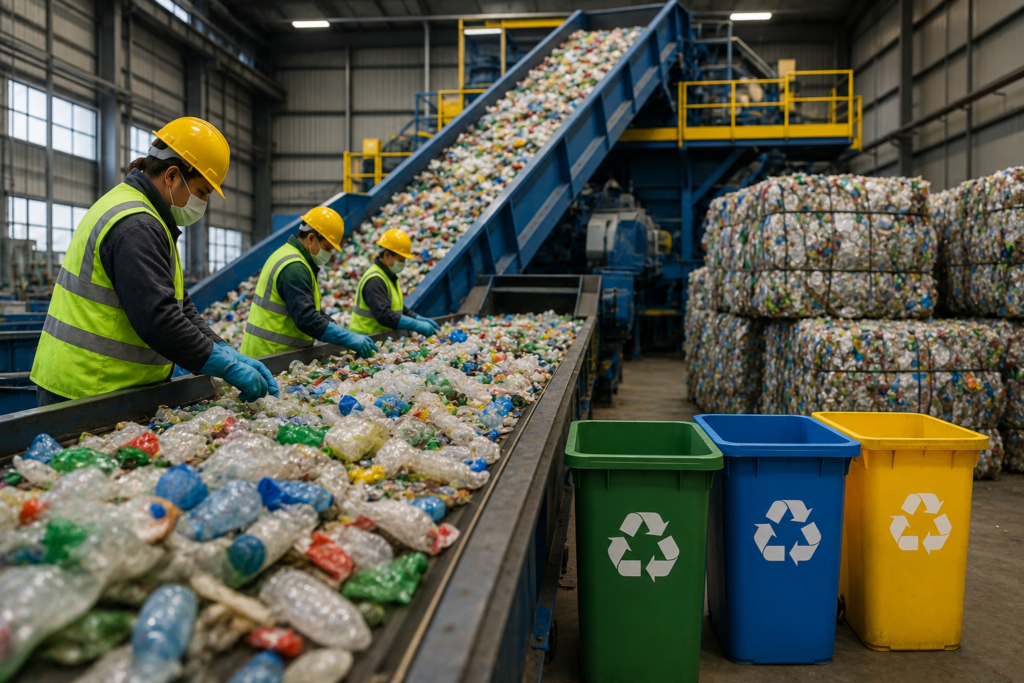
You can find any recycling guide even more helpful by understanding the recycling of recyclable items are recycled. Containers are taken to specialized centers after they have been collected, where they are sorted according to type. Advanced equipment and trained workers sort paper, plastics, glass, and metal before preparation for processing.
This gives rise to individual recycling processes for each material. The paper is washed and reprocessed into pulp for use in producing new paper. The plastics are broken up, heated, and moulded into pellets which can be used to make new plastic containers or other products. Glass is crushed and melted down and re-formed into new bottles or jars, and metals are melted and used again without any quality loss.
Such processes minimize the need for using new raw materials, thus conserving natural resources, reducing energy consumption and pollution.
What are the Environmental Benefits of Recycling?
The top motivation to adhere to a recycling guide is just the impact of recycling on the environment. Recycling is one way to decrease the amount of trash placed in landfills, where trash can stay for many years or even centuries. This will also reduce the amount of greenhouse gases emitted during waste decomposition, which occurs in landfills.
Recycling also helps to save precious natural resources. The reuse of paper reduces the number of trees that must be harvested. Recycling requires much less energy for aluminum and less for glass than does the production of new material from raw ore.
Among others, pollution is also reduced. The production of products from recycled materials is typically less energy intensive and has a lower emission factor than the production of products from raw materials. These collective advantages make recycling one of the best ways in which people can help protect the environment.
How can Families build better Recycling Habits?
Starting to practice good recycling habits starts with education and consistency. This practical recycling guide encourages families to develop simple recycling routines, making recycling a part of daily life. Recycling bins are clearly labeled and in convenient locations for easy, correct disposal of waste.
Parents can also engage children and teach them about the way materials are recycled and the importance of protecting the environment. Regular recycling makes it a habit in the household; not only does it bring responsibility, but it also helps younger generations to adopt good recycling habits that can last a lifetime.
Avoidance of waste before recycling is also a key factor. Opting for reusable shopping bags, water bottles, containers, and fewer packaged items reduces waste and promotes a sustainable lifestyle.
What common Recycling mistakes should People avoid?
Sometimes even those of goodwill make recycling blunders. A frequent mistake made is putting dirty food containers in recycling containers without first rinsing them out. The food residue can clog the recycling process and lower the value of the recyclables.
“Wish-cycling” is another common error, as people put items in recycling bins that they hope might be recycled, but are not. This can be a good thing in theory, but can actually result in more work for recyclers and higher contamination levels.
Another problem is not adhering to local recycling rules. Please read local rules, as recycling programs differ from community to community and materials must be sorted properly. These errors can be prevented by following a trusted recycling guide, which can also enhance the recycling process.
How does Recycling Support a more Sustainable Future?
The landscape of recycling is constantly changing, with the continuous advancement of technology and an increasing consciousness of environmental protection. Governments, businesses and communities are spending money to improve recycling systems, develop innovative packaging solutions and to make waste management more efficient.
Consumers also have a vital role to play by selecting recyclable products, minimizing waste and supporting companies that are dedicated to sustainable practices. Each action is a part of a bigger movement for conserving natural resources and decreasing negative impacts on the environment.
Having a good recycling guide can help individuals learn what is great and what isn’t, and make recycling good for others.
Conclusion
One of the best resources for any individual who wants to cut down on waste and live more sustainably is a well-informed recycling guide. Recycling is much more than just separating paper, plastic, glass, and metal; it’s about protecting natural resources, conserving energy, decreasing pollution, and building a healthier community. If everyone knows what can be recycled, knows what not to do, and makes recycling a habit, then we all can make a difference to the environment.
While recycling is not a cure-all for all environmental problems, it is one easy step that any person can take to help create a cleaner planet. Each recycled bottle, paper, and aluminum can is part of a system that saves valuable resources and eliminates unnecessary waste. By using this recycling guide, it becomes simpler to make environmentally responsible decisions, and everyone can take a step towards a sustainable future.
Frequently Asked Questions
1. What is the purpose of a recycling guide?
A recycling guide helps people understand how to properly sort recyclable materials, reduce waste, and improve recycling efficiency.
2. Can all plastics be recycled?
No. Recycling rules vary by location, and not all plastic types are accepted. Always check your local recycling program for specific guidelines.
3. Why should recyclable containers be cleaned?
Rinsing containers removes food residue that can contaminate other recyclable materials and interfere with the recycling process.
4. What is the biggest benefit of recycling?
Recycling conserves natural resources, saves energy, reduces pollution, and decreases the amount of waste sent to landfills.
5. How can I improve my recycling habits at home?
Set up clearly labeled recycling bins, follow local recycling guidelines, clean recyclable items before disposal, and choose reusable products whenever possible.